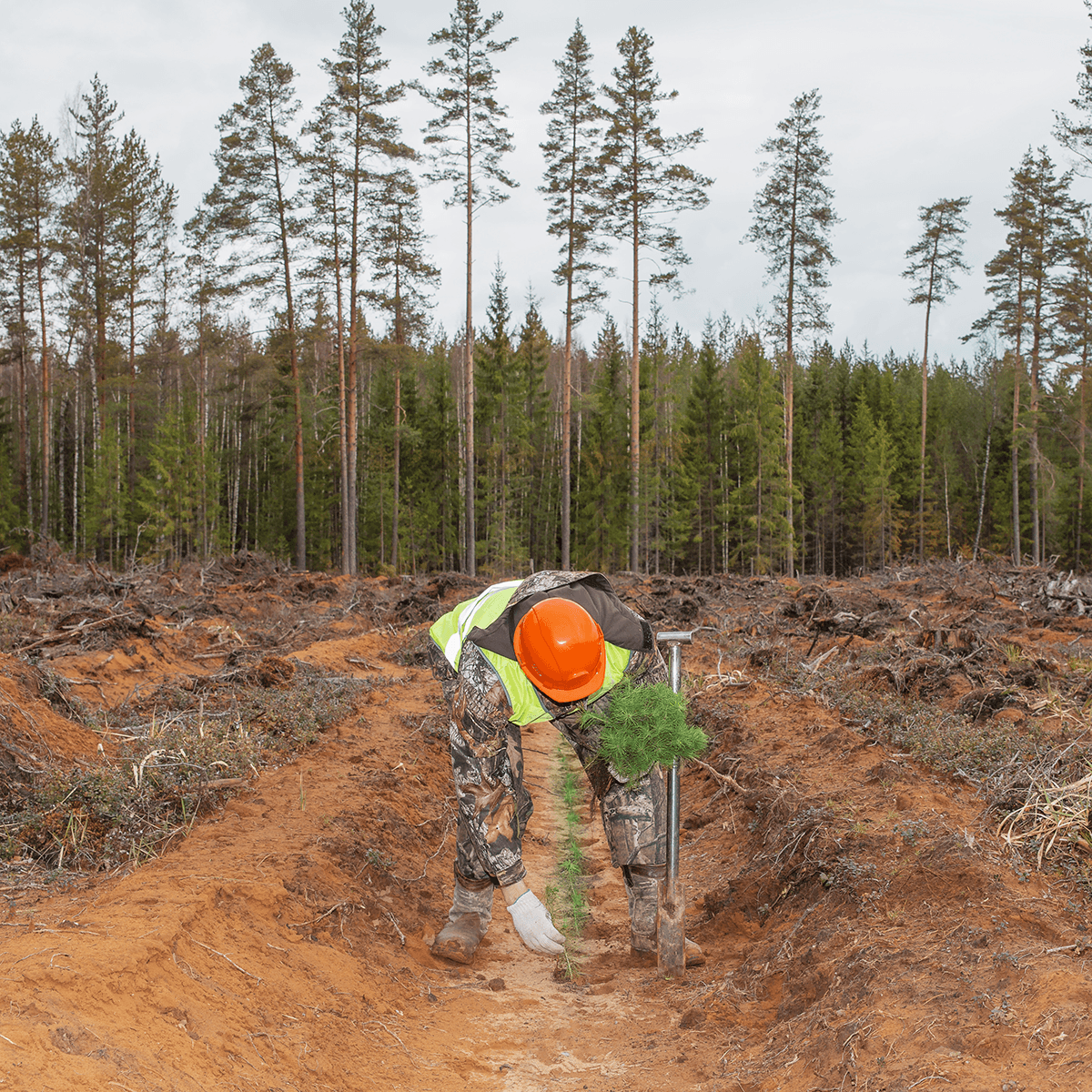
Keep establishment work connected from nursery to field.
Planting is one stage in a longer programme of establishment, inspection and follow-up care. Lucendus connects nursery and planting-site records with field tasks, equipment and evidence so silviculture teams can track the work across seasons and contractors.
Establishment depends on timely follow-up.
Seasonal tasks need continuity
Planting, vegetation control and establishment checks happen at different times. A change of crew should not mean losing the record of what was completed or still needs attention.
Field observations need location context
Reports of damage, competing vegetation or poor establishment are difficult to act on without a clear compartment, plot or nursery-block reference.
Equipment readiness affects field delivery
Pumps, vehicles and tools need servicing while crews prepare for field work. Separate maintenance records can leave an equipment problem invisible to the programme coordinator.
Give each work area a history the next crew can use.
Use a common operational record for scheduled tasks, field findings and the equipment supporting your programme.
A model for sites and living assets
Configure locations, biological asset categories and fields to reflect nursery blocks or managed planting areas. Agree the level of detail with your team so records stay practical to maintain.
Scheduled establishment work
Create recurring inspections and assigned tasks for the activities in your silvicultural plan. Track ownership, due dates and completion across crews and contractors.
Field findings retained with the site
Capture checklist observations and photos against the relevant location. Offline mobile capture allows crews to record the visit and sync after they return to coverage.
Equipment and consumables in the same picture
Maintain service plans for vehicles, pumps and tools. Track operational consumables and their issue to jobs so equipment upkeep and field activity contribute to a connected cost history.
An establishment visit identifies an area needing follow-up.
The field team records its observations and photographs against the planting-area reference.
The silviculture manager assesses the findings and assigns the appropriate follow-up under the site's management plan. The next crew can see the location, earlier observations and the task they have been asked to complete.
Completion details and a subsequent inspection stay with the same area. At the programme review, the manager can see which interventions took place and which locations still need attention, while retaining responsibility for silvicultural decisions.
Keep field records aligned with your spatial data.
Scope connections to GIS, nursery records and relevant sensor data through available interfaces. Agree compartment or block identifiers and the observations to exchange. Your forestry planning systems and professional assessments can continue to guide the programme while Lucendus records assigned work and the evidence returned.
Start with a workflow your team knows.
Select an establishment programme
Start with a nursery block or planting area that has repeat visits and clear follow-up responsibilities.
Define useful field records
Agree location references, checklists and the detail crews should capture for the next visit.
Review a sequence of visits
Check whether findings lead to completed follow-up and whether the record remains useful when crews change.
Connect the next visit to the last one.
Bring a planting-area map and a field inspection form. We can explore how Lucendus keeps tasks and observations connected across the programme.