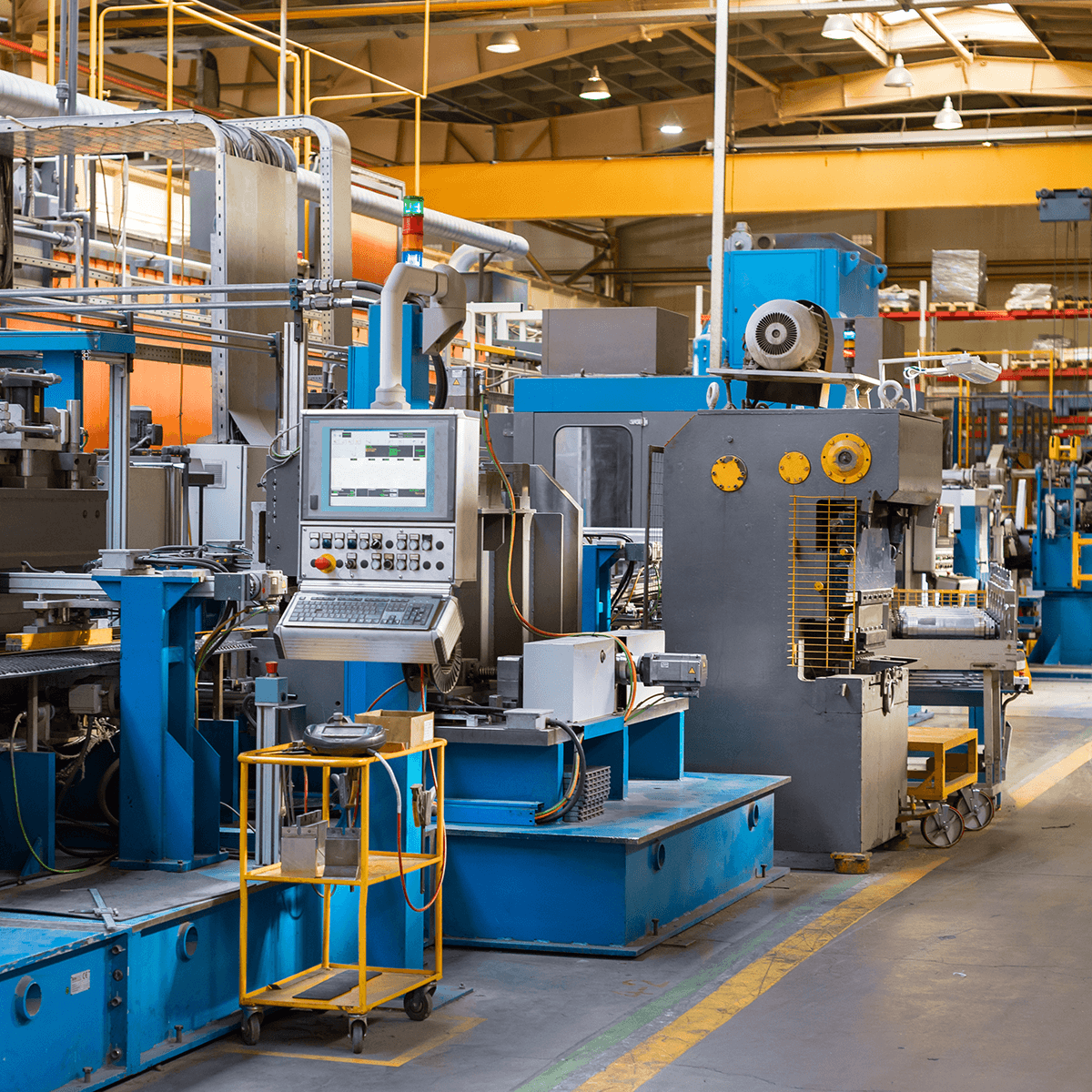
Give every production asset a connected service history.
When equipment stops, maintenance needs the fault, the asset history and the right parts. Lucendus connects production assets, work orders, condition signals and spares so engineers can respond with context and planners can learn from the work completed.
Downtime exposes the gaps between systems.
The fault arrives before the context
An alarm or operator report may identify a symptom without the machine's repair history. Engineers lose time locating the relevant records.
Planned maintenance competes with output
Production and maintenance teams need an agreed view of due work. A separate backlog makes it harder to prepare jobs for an available stop.
Repeat failures look like separate jobs
When work descriptions and parts issues are disconnected, the cost and frequency of recurring equipment problems are difficult to review.
Connect the failure, the repair and the next decision.
Build a usable equipment history from the work your team already carries out.
A plant and line asset hierarchy
Organise machines and supporting utilities by location and function. Connect work orders, documents and maintenance history to the asset so each job adds to a record the next engineer can use.
Maintenance from time, use or condition
Set calendar, meter or condition-based maintenance plans as appropriate for the equipment. Bring the resulting work into a shared queue for planning with production.
Signals with assigned responsibility
Use mapped monitoring events to initiate a response against the relevant asset. Configure assignment and escalation so a useful alert reaches the team responsible for assessing it.
Repair detail that supports improvement
Record findings, completion details and spares consumed. Review repeat work and maintenance costs by asset to support decisions about service intervals, stocking and replacement.
A palletiser reports another axis fault.
The fault is linked to the palletiser and assigned to maintenance with its previous work history available.
The engineer reviews earlier interventions, records the diagnosis and completes the repair under the plant's procedures. Any replacement parts and further work stay connected to the same asset.
At the maintenance review, the team can examine the repeated fault alongside previous repairs. That evidence helps engineers decide what to investigate next and gives production a clearer account of outstanding work.
Connect the plant's existing sources of information.
Scope connections to monitoring, SCADA and production systems through available interfaces. Agree which events should create work, how equipment identifiers map and where acknowledgements belong. Keep production control in the existing control systems and use Lucendus to coordinate the operational response.
Start with a workflow your team knows.
Start with a recurring loss of availability
Select a line or machine group whose maintenance history would help the team make better decisions.
Build the work record
Map the assets, maintenance intervals, signal sources and stores used for the chosen equipment.
Review with production
Check the backlog and completed repairs together, then refine the workflow before extending it across the plant.
Bring a recurring equipment problem.
Show us an asset list and a sample of recent maintenance work. We can explore how Lucendus connects the evidence your engineers need.